
In Conversation: Sommelier Juan Méndez
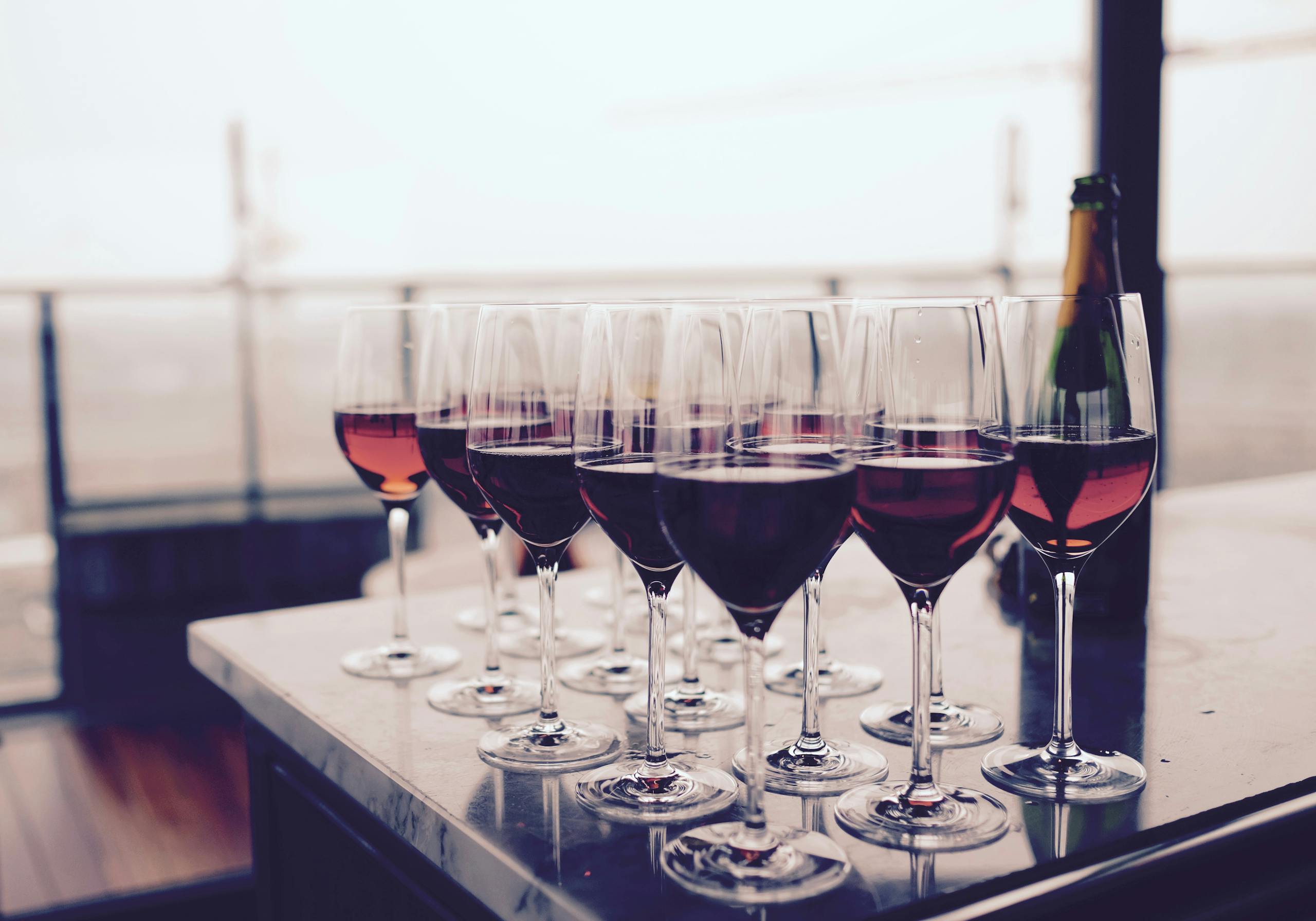
Juan Méndez has built a career on precision of the senses. As the certified record holder for the largest blind wine tasting, successfully identifying 350 wines under controlled conditions, his achievement stands as a benchmark of sensory discipline, memory training, and methodological rigor.
We spoke with Méndez about the science behind sensory mastery, the mental frameworks used to distinguish hundreds of wines, and what separates professional tasting from performance.
4
Training the Senses Like a System
“Blind tasting is not intuition,” Méndez explains. “It’s structured sensory analysis.”
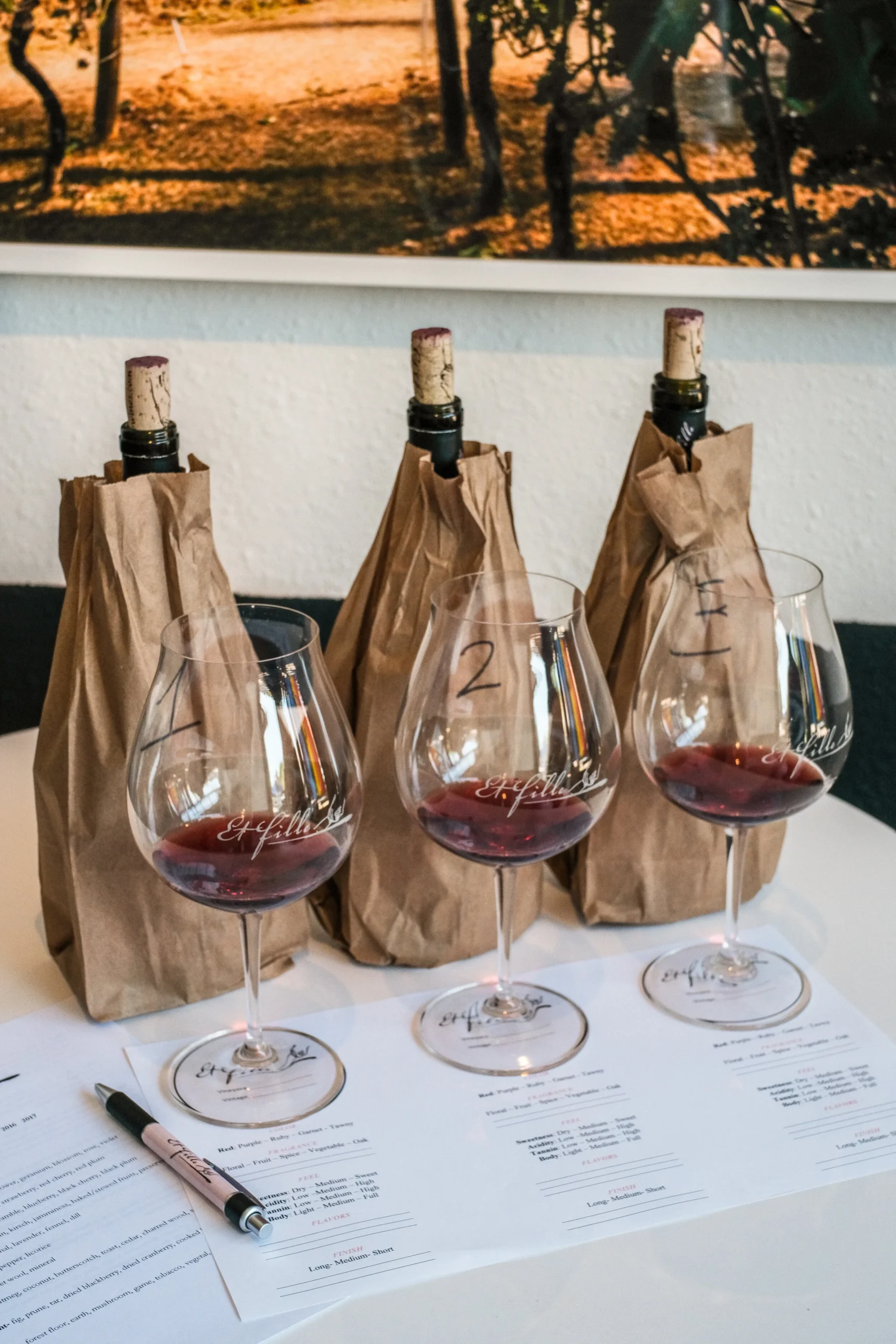
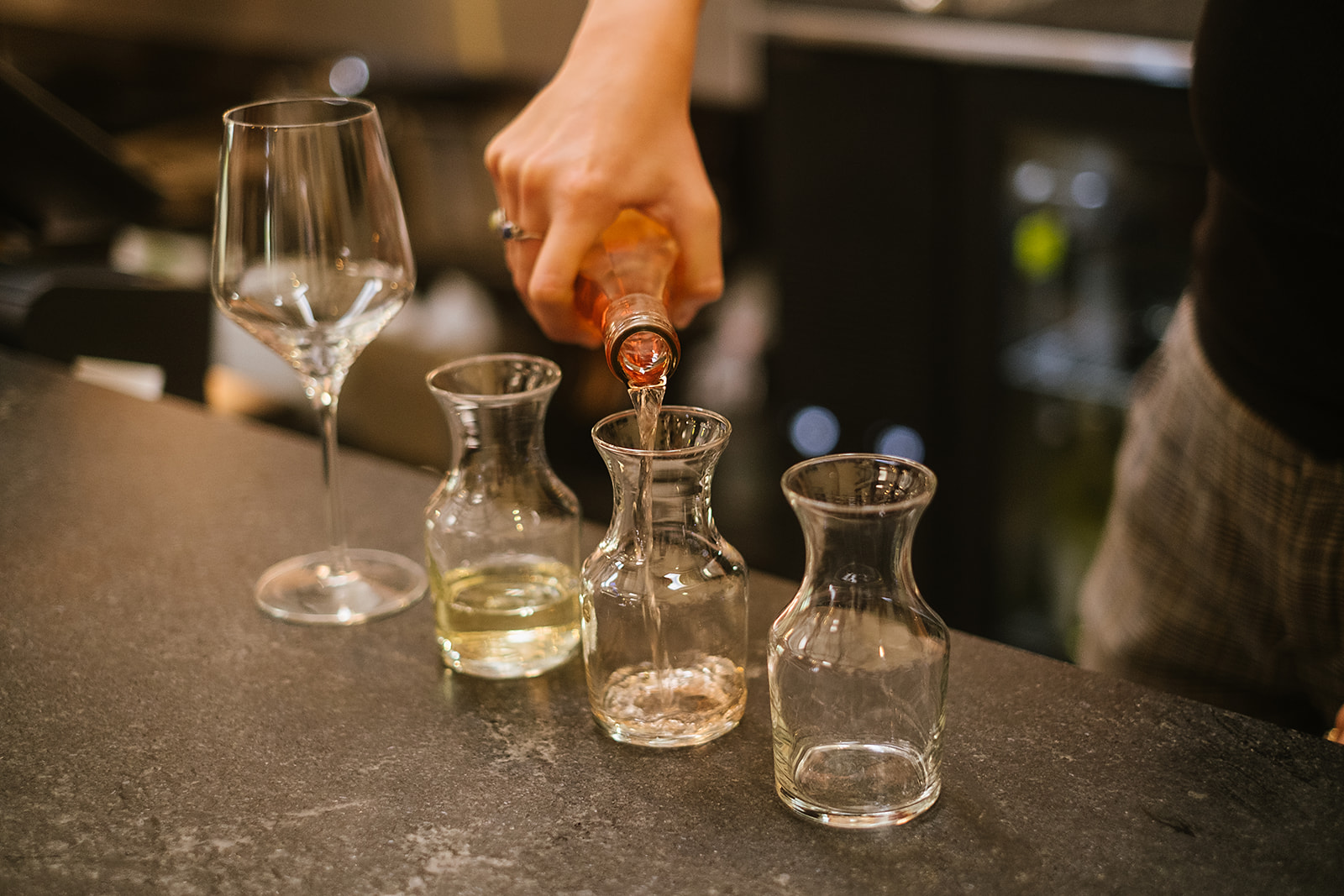
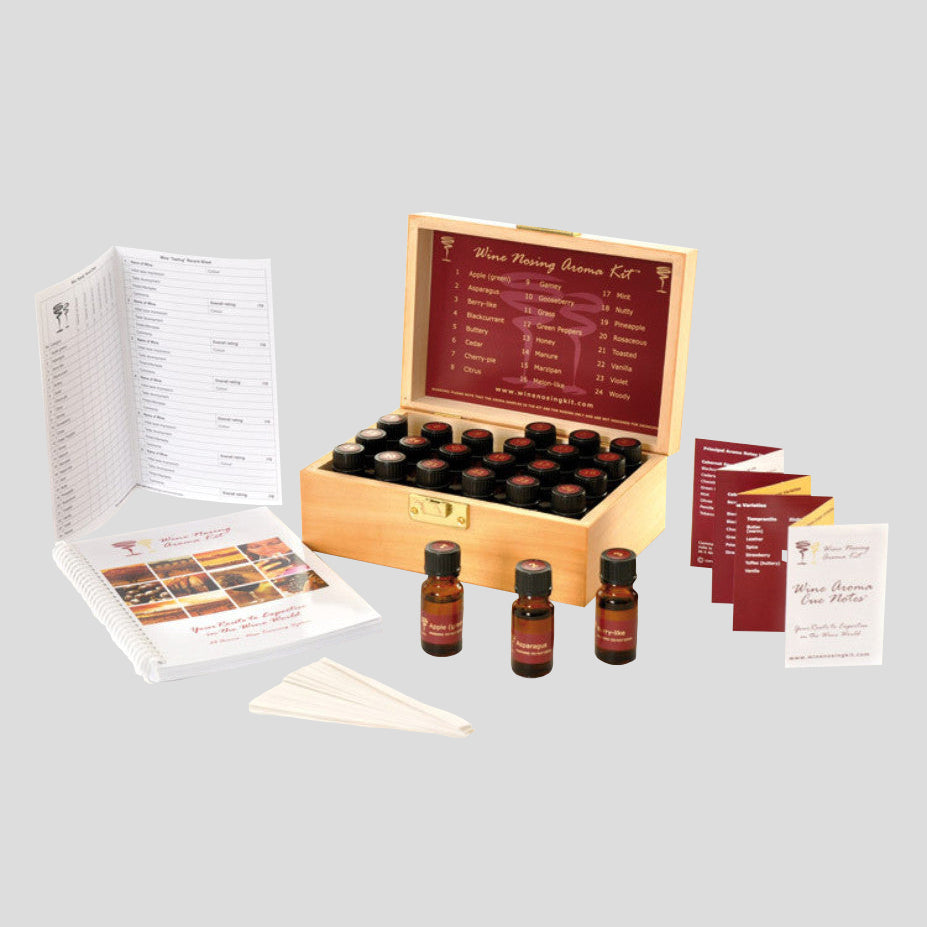
His preparation relied on a strict training protocol: daily calibration of aroma recognition, controlled repetition, and consistent reference benchmarks. Rather than tasting casually, Méndez trained under fixed conditions—identical glassware, neutral environments, and timed evaluations—to remove variables that could distort perception.
Each wine was broken down into measurable sensory markers: acidity level, tannin structure, alcohol perception, aromatic families, and textural cues. Over time, these markers formed a mental indexing system that allowed rapid identification without guesswork.
Memory Over Talent
According to Méndez, raw sensory ability matters far less than memory discipline.
“Anyone can recognize fruit or oak. The challenge is recalling where you’ve experienced that exact combination before.”
To manage 350 wines, he used comparative clustering—grouping wines by structural similarities rather than grape variety alone. This allowed him to narrow possibilities quickly and avoid cognitive overload during the attempt.
Crucially, rest periods and hydration were built into the protocol, ensuring sensory fatigue did not compromise accuracy.
Pressure, Focus, and Control
The record attempt itself was conducted under strict observation, with no feedback during the tasting process. Each identification was logged in real time, creating a continuous data trail for verification.
“Once the tasting starts, you stop thinking about the record,” Méndez says. “You focus on process. Pressure disappears when the method is solid.”
This mindset—treating the attempt as a controlled examination rather than a performance—proved decisive in maintaining consistency from the first glass to the last.
Redefining What Expertise Looks Like
For Méndez, the record is less about scale and more about redefining professional standards.
“Wine expertise is often romanticized,” he notes. “This record shows that it’s also analytical, repeatable, and measurable.”
His achievement aligns with Gourmet World Records’ broader philosophy: celebrating excellence not just through spectacle, but through verifiable skill and disciplined methodology.
Beyond the Record
Asked whether he would attempt another record, Méndez smiles.
“Records are milestones. The real work is the training behind them.”
In demonstrating what it takes to master 350 wines blind, Juan Méndez has set more than a record—he has provided a clear, professional blueprint for sensory excellence at the highest level.